
An Introduction to the Vast Universe of Maritime Affairs, Its Branches, Opportunities, and Global Importance
by Kenechukwu Okonkwo Esq.
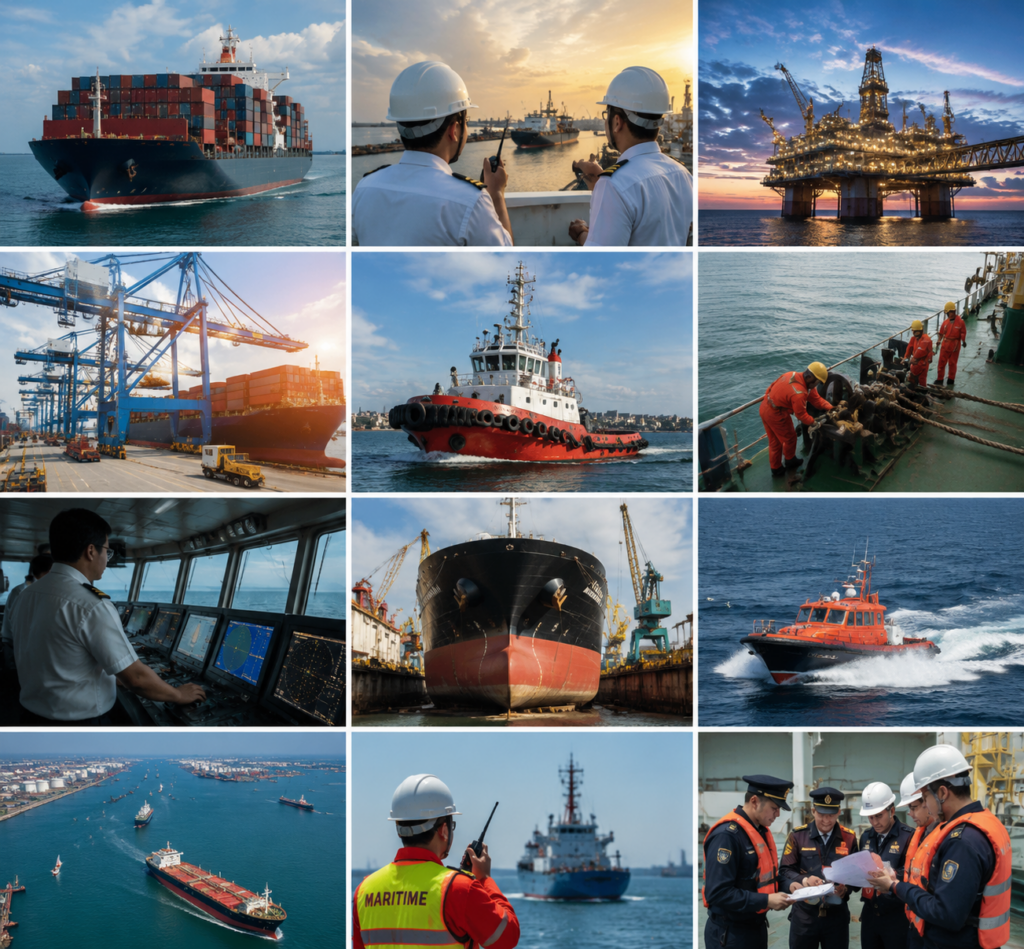
When most people hear the word “Maritime,” they think only about ships sailing on the ocean. However, maritime is far more than vessels and waterways. It is a complex global ecosystem that connects law, commerce, technology, security, environmental protection, international relations, energy, logistics, and human activity across the world’s oceans.
The maritime world is the invisible engine behind modern civilization. Over 80% of global trade by volume is transported by sea, meaning the clothes we wear, the phones we use, the cars we drive, and much of the energy that powers economies all depend on maritime activities.
To understand maritime is to understand how nations interact, how businesses operate globally, how resources are transported, how oceans are protected, and how international cooperation is maintained.
1. What Does Maritime Mean?
The term maritime relates to anything connected with the sea, oceans, ships, navigation, marine resources, and activities conducted on or around waterways.
It covers:
- Ships and vessels
- Ports and terminals
- Shipping and international trade
- Marine resources
- Ocean exploration
- Offshore industries
- Maritime security
- Environmental protection
- International laws governing the seas
Simply put:
Maritime is the entire human relationship with the oceans.
It is where the worlds of business, government, science, and law meet.
2. Maritime Transport and Shipping: The Heart of Global Trade
At the centre of maritime affairs is shipping — the movement of goods and people across oceans.
Every day, thousands of ships carry:
- Crude oil and natural gas
- Agricultural products
- Vehicles
- Electronics
- Machinery
- Raw materials
- Consumer goods
Major types of ships include:
a. Container Ships
These carry manufactured goods in standardized containers. They are responsible for moving a large portion of global consumer products.
b. Tankers
Tankers transport liquids such as:
- Crude oil
- Petroleum products
- Chemicals
- Liquefied natural gas (LNG)
c. Bulk Carriers
These transport unpackaged materials such as:
- Coal
- Iron ore
- Grain
- Cement
d. Passenger Vessels
Including:
- Cruise ships
- Ferries
- Tourism vessels
e. Specialized Vessels
Such as:
- Fishing vessels
- Research vessels
- Naval vessels
- Offshore support ships
Shipping is not simply about moving ships; it involves planning, finance, insurance, contracts, international regulations, and risk management.
3. Maritime Law: The Legal Foundation of the Seas
One of the most fascinating areas of maritime is Maritime Law (Admiralty Law).
Maritime law is the body of laws that regulates activities on the sea and navigable waters.
It answers questions such as:
- Who is responsible when ships collide?
- What happens when cargo is damaged during transportation?
- What rights do ship owners and crew members have?
- Who owns resources found offshore?
- How are pollution incidents handled?
- How are maritime contracts enforced?
Major Areas of Maritime Law Include:
- Shipping Law
Shipping law governs commercial activities involving vessels.
It covers:
- Ship ownership
- Ship registration
- Charter agreements
- Sale and purchase of ships
- Financing of vessels
- Ship mortgages
A ship is not merely a machine; legally, it is a valuable commercial asset.
B. Carriage of Goods by Sea
This deals with transporting cargo internationally.
Important issues include:
- Bills of lading
- Cargo damage
- Delivery obligations
- Liability of carriers
- International trade disputes
For example:
If a company in Nigeria imports machinery from China and the goods are damaged during transportation, maritime law determines who bears responsibility.
C. Marine Insurance Law
The ocean carries risks:
- Storms
- Accidents
- Piracy
- Cargo loss
- Environmental damage
Marine insurance protects ship owners, cargo owners, and businesses against these risks.
D. Admiralty Claims
These involve disputes connected with vessels.
Examples:
- Ship collisions
- Salvage claims
- Crew injuries
- Unpaid wages
- Maritime liens
E. International Maritime Law
Because ships travel across national borders, international rules are essential.
International maritime law deals with:
- Freedom of navigation
- Territorial waters
- Exclusive Economic Zones (EEZs)
- Rights of coastal states
- International shipping regulations
A major institution in this area is the International Maritime Organization (IMO), which develops global standards for safe, secure, and environmentally responsible shipping.
4. Port and Harbour Management
Ships cannot operate without ports.
Ports are the gateways connecting sea trade to land.
Port management involves:
- Cargo handling
- Warehousing
- Customs procedures
- Logistics
- Security
- Infrastructure development
Major ports operate like cities, employing thousands of people and managing billions of dollars in trade.
Professionals in this area include:
- Port administrators
- Logistics specialists
- Customs experts
- Maritime consultants
- Operations managers
5. Marine Engineering and Ship Technology
Ships are floating technological systems.
Marine engineering focuses on:
- Ship construction
- Engine systems
- Navigation equipment
- Maintenance
- Safety technology
- Ship design
Marine engineers ensure that vessels can safely travel thousands of kilometres across oceans.
Modern maritime technology now includes:
- Artificial intelligence navigation
- Autonomous ships
- Green energy vessels
- Digital shipping systems
6. Offshore Industry and Marine Resources
The ocean contains enormous natural resources.
The offshore sector involves activities such as:
Oil and Gas Exploration
Many countries depend on offshore drilling for energy production.
Renewable Energy
Including:
- Offshore wind farms
- Wave energy
- Tidal energy
Deep-Sea Mining
Exploration of minerals found beneath the seabed.
This area combines engineering, environmental science, economics, and law.
7. Maritime Security
The ocean is also a security environment.
Maritime security addresses threats such as:
- Piracy
- Illegal fishing
- Smuggling
- Terrorism
- Maritime boundary disputes
Countries maintain naval forces and maritime agencies to protect their waters.
Maritime security is especially important for countries with large coastlines and major shipping routes.
8. Marine Environmental Law and Ocean Protection
The ocean is essential to life on Earth, but maritime activities can harm the environment.
Marine environmental law focuses on:
- Oil spills
- Plastic pollution
- Ship emissions
- Protection of marine ecosystems
- Climate change effects
Modern maritime industries are increasingly focused on:
- Cleaner fuels
- Sustainable shipping
- Reducing carbon emissions
- Protecting marine biodiversity
9. Maritime Labour and Seafarers’ Rights
Behind every ship are people.
Seafarers work under unique conditions, often spending months away from home.
Maritime labour law protects:
- Wages
- Working conditions
- Safety standards
- Medical care
- Employment rights
The International Labour Organization plays an important role in developing standards for maritime workers.
10. Maritime Finance and Commercial Transactions
Ships are among the most expensive assets in the world.
A large commercial vessel can cost hundreds of millions of dollars.
Maritime finance involves:
- Ship loans
- Vessel mortgages
- Investment structures
- Leasing arrangements
- Commercial agreements
Banks and financial institutions have specialized maritime departments because shipping requires enormous capital.
11. Maritime Arbitration and Dispute Resolution
Because maritime transactions are international, disputes often require specialized solutions.
Maritime disputes are commonly resolved through:
- Arbitration
- Mediation
- Negotiation
- Litigation before specialized courts
Many maritime contracts contain arbitration clauses because parties prefer neutral international dispute resolution.
12. Maritime Administration and Government Regulation
Governments regulate maritime activities through agencies responsible for:
- Ship registration
- Safety inspections
- Licensing
- Port regulation
- Pollution control
- Navigation rules
In Nigeria, maritime regulation involves institutions such as the Nigerian Maritime Administration and Safety Agency (NIMASA), which oversees maritime safety, shipping development, and regulatory compliance.
13. Maritime Careers and Opportunities
The maritime industry offers careers across many fields.
Legal Careers:
- Maritime lawyer
- Admiralty solicitor
- Shipping contract specialist
- Marine insurance lawyer
- Maritime arbitrator
Business Careers:
- Shipping executive
- Port manager
- Logistics specialist
- Maritime consultant
Technical Careers:
- Marine engineer
- Naval architect
- Ship surveyor
- Offshore engineer
Security Careers:
- Maritime security analyst
- Naval officer
- Coast guard specialist
Environmental Careers:
- Marine scientist
- Ocean policy expert
- Environmental consultant
Why Should Anyone Be Interested in Maritime?
Because maritime is where the world connects.
- A maritime professional understands:
- How countries trade
- How businesses operate globally
- How resources move across continents
- How international disputes are resolved
- How humanity interacts with the largest ecosystem on Earth
It is an industry where law meets commerce, technology meets nature, and nations meet each other.
The sea is not empty space. It is a highway, a marketplace, a battlefield, a source of energy, and a legal jurisdiction all at once.
Understanding maritime means understanding the forces that quietly shape the modern world.
Conclusion: The Ocean Is More Than Water
Maritime is not just about ships. It is a universe of interconnected disciplines involving:
⚓ Shipping
⚓ Maritime Law
⚓ International Trade
⚓ Ports
⚓ Engineering
⚓ Security
⚓ Energy
⚓ Environmental Protection
⚓ Finance
⚓ Human Rights
⚓ International Relations
For anyone interested in law, business, global affairs, or technology, maritime offers one of the most dynamic and internationally relevant fields in the world.
The future of the world is closely tied to the ocean — and those who understand maritime, understand one of the greatest forces shaping civilization.
Thank you for reading this article, I hope you enjoyed it? Please stay tuned for more articles on this website.
More Like This
PAPSS: Africa’s Answer to Seamless Intra-African Payments?
Imagine a trader in Lagos selling goods to a buyer in Dakar, and the payment gets settled in seconds, no need to convert...
Read Article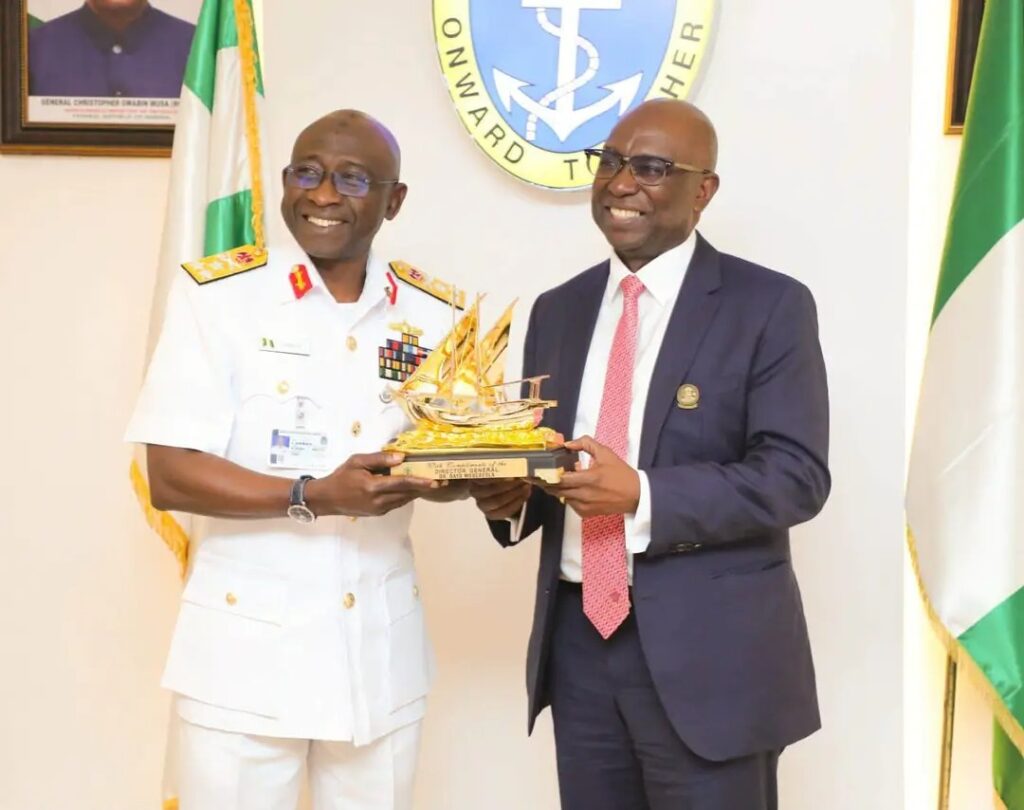
NIMASA SIGNS NEW 5 YEAR MOU DEAL WITH THE NIGERIAN NAVY.
A full breakdown of the agreement and what it represents and signifies. by Kenechukwu Okonkwo Esq. The Nigerian Maritime Administration...
Read Article